Vacuum brazing is a precision brazing technique used to join critical assemblies, many of which employ delicate or intricate features. For this reason, extensive experience in materials joining enables VPE to customize and ensure the best process conditions for your assembly application.
Precision Vacuum Brazing Services for Demanding Applications
When engineers need to join critical assemblies in today’s most advanced applications, they turn to vacuum furnace brazing to produce highly reliable, contaminant free joints suitable for the most extreme operating conditions.
Vacuum brazing provides an exceptionally clean method for joining critical and complex assemblies, using a controlled vacuum environment.
For over fifty years, Vacuum Process Engineering (VPE) has been one of North America’s leading vacuum brazing companies. Our facilities can perform vacuum furnace brazing for a wide range of complex and often difficult materials combinations for use in assemblies in industries like aerospace and defense, biomedical, clean energy, and semiconductor.
Our expertise goes beyond furnace capacity. We can advise our clients on braze alloy selection, fixturing, thermal profiles, and process development to ensure that the final result meets your project specifications.
Contact VPE today to request a quote for our vacuum furnace brazing services in your next project.
Vacuum Brazing for Complex and Critical Assemblies
Vacuum brazing is a powerful technique used to create high-strength and often leak-proof joints in mission-critical assemblies.
One of the biggest advantages of vacuum furnace brazing is that it is a remarkably clean process. Because the joining process takes place entirely within a vacuum chamber, it eliminates the need for flux, while the vacuum environment eliminates oxygen, nitrogen, and other atmospheric contaminants. Utilizing the pristine conditions of a vacuum creates an environment where the filler alloys can easily wet the material surfaces and flow into the braze joints.
The process begins by fixturing the parent materials into the vacuum brazing furnace using custom fixtures. This allows components with complex geometries to be strategically held in place, along with the braze alloy material that will be used to join the parts together.
The temperature and vacuum conditions are precisely controlled to uniformly heat the components until the braze alloy reaches its melting point. The environment is gradually cooled, allowing the braze alloy to harden and join the parent materials together.
50 Years of Vacuum Brazing Expertise
A long history of vacuum brazing and an extensive inventory of vacuum brazing furnaces enables VPE to join a diverse range of materials, and accommodate components of various geometries and sizes.
From our initial consultation through production, we work closely with our clients to create a customized vacuum brazing process built around the materials and braze alloys needed to meet your end use requirements.
Creating a reliable, high-performance joint requires understanding how the end product will be used and the conditions of its operating environment.
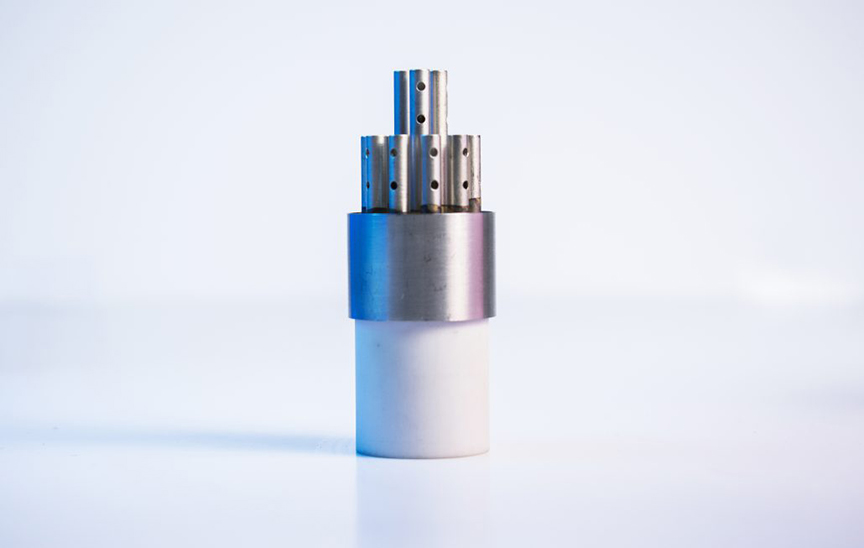
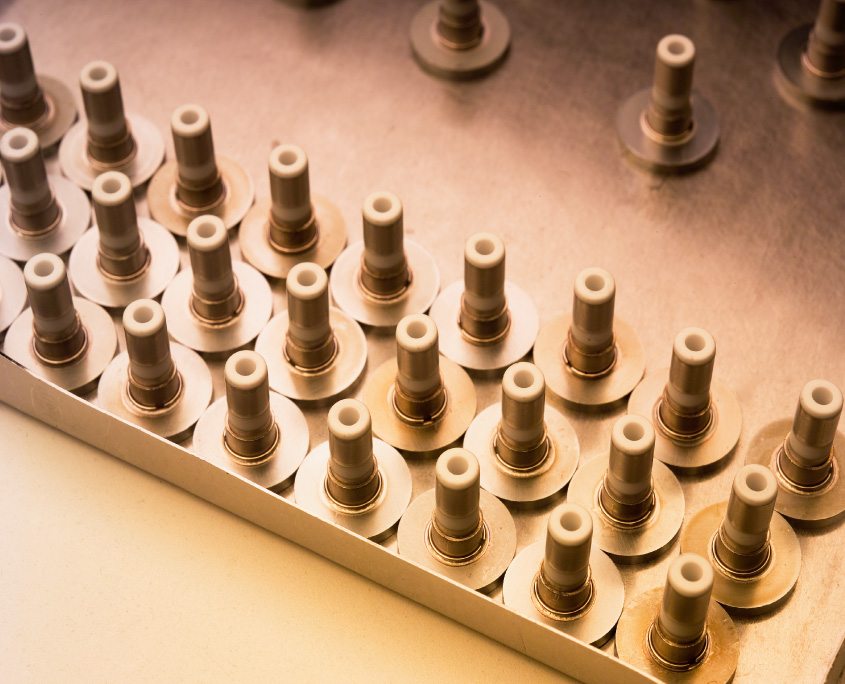
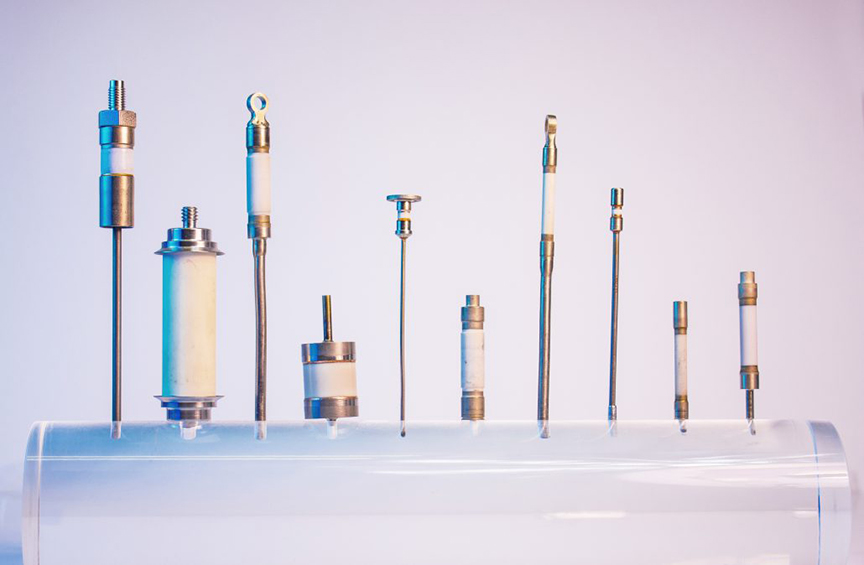
VPE handles some of the most challenging vacuum furnace brazing services, including joining of dissimilar materials such as ceramic-to-metal brazing, and metals with different coefficients of thermal expansion.
Beyond Standard Vacuum Brazing Services
Creating the best vacuum brazed components relies on more than simply putting parts into a furnace. VPE takes this seriously, offering extensive guidance to deliver fully customized vacuum brazing services to our clients.
Braze Alloy Selection
The braze alloy selected to join your materials together is one of the most important decisions in the vacuum brazing process, however it is one that is often overlooked or misunderstood by manufacturers.
Assemblies intended for demanding environments like space may require a different type of braze alloy than one intended to operate under less demanding conditions.
Selecting the right filler material means considering the properties of the materials being joined, the mechanical requirements of the final component, and its operating environment.
Fixturing
Each assembly requires a unique braze fixture to keep the parent materials and braze alloys properly aligned during the brazing process.
When multiple parts are processed together, fixturing allows for each to be uniformly heated. Fixtures must also account for thermal growth and shrinkage to ensure that parts aren’t deformed.
VPE helps our clients ensure that the proper fixtures are created to enable a successful production run.
Dissimilar Materials Joining
VPE’s vacuum furnace brazing expertise includes joining of dissimilar materials, which can be challenging due to the different coefficients of thermal expansion that each material possesses.
Creating reliable components using dissimilar materials requires a precise selection of braze alloy and thermal profile to prevent distortions during the furnace cycle.
VPE excels at joining complex material combinations with significantly different thermal and metallurgical properties including ceramic-to-metal assemblies and other dissimilar metal combinations.
Vacuum Furnace Capabilities from Prototypes to Production
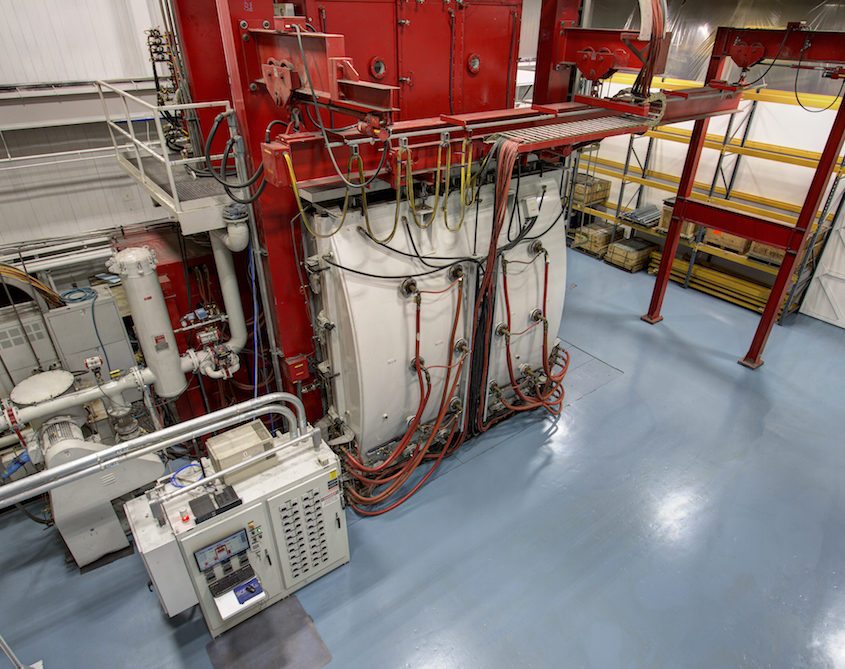
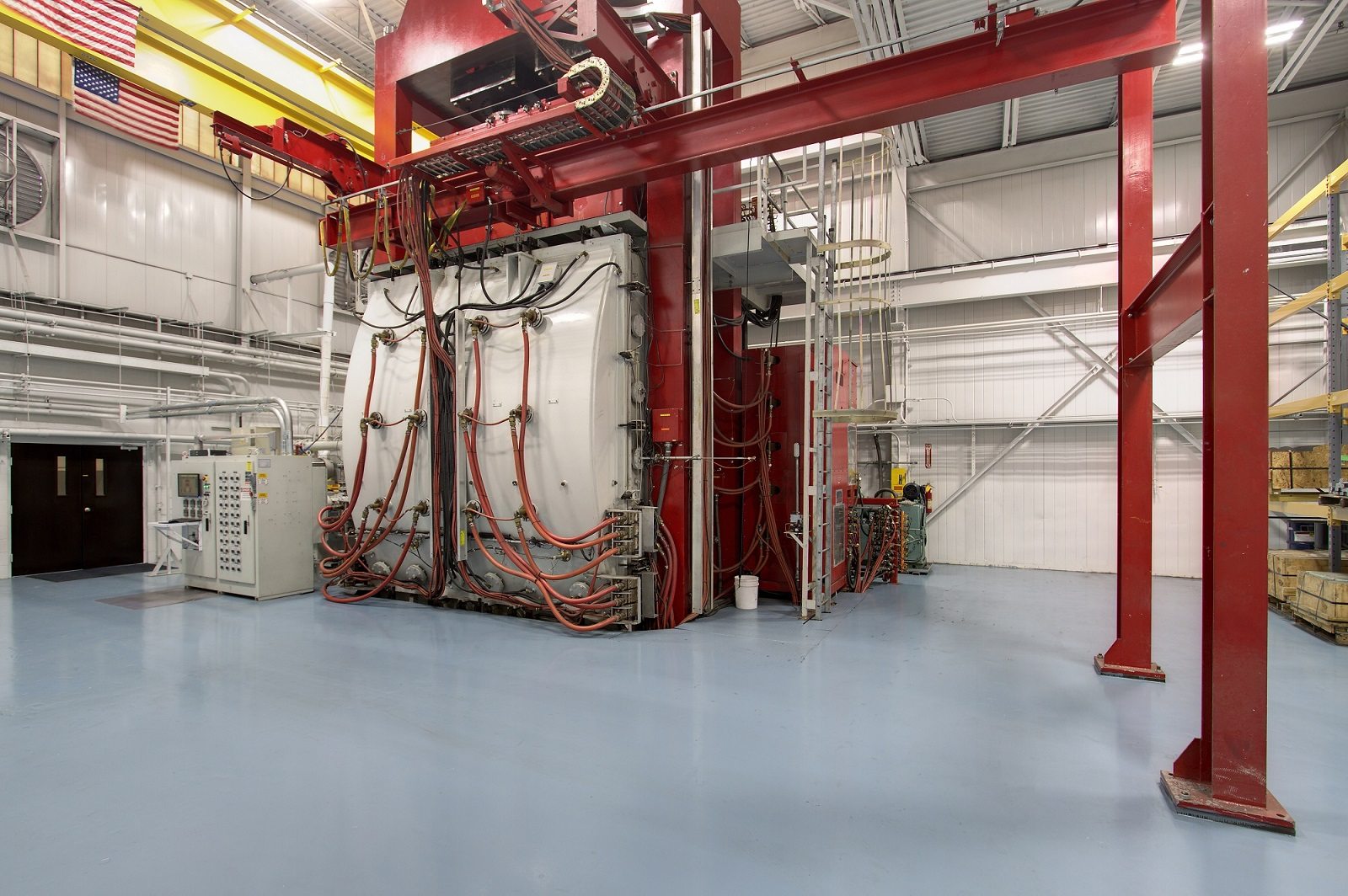
VPE’s facilities include an extensive range of nearly 80 vacuum furnaces for vacuum, partial pressure, hydrogen, and argon atmospheres. These furnaces provide a clean, highly controlled environment where components will not react with oxygen, moisture, nitrogen, or other gaseous contaminants.
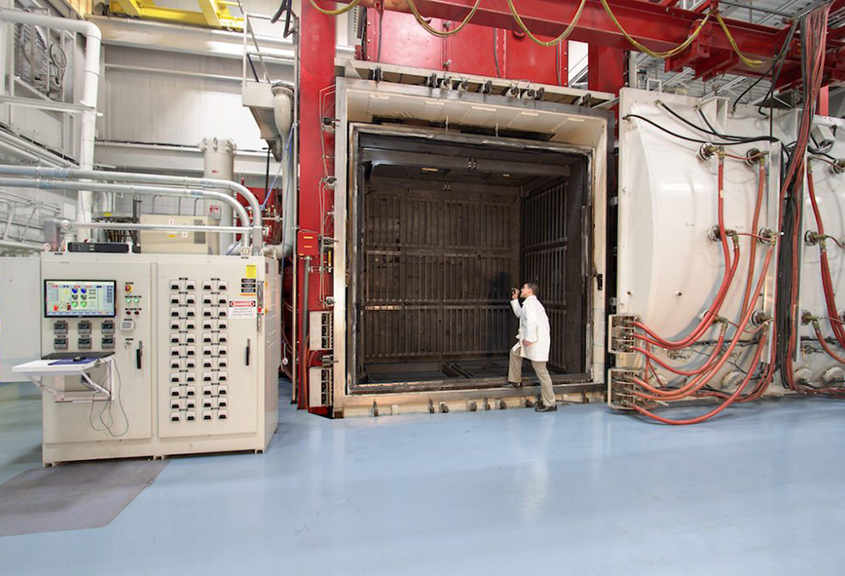
Our vacuum furnaces are available in many different sizes and capacities, allowing our expert engineers to process parts in varying sizes and configurations, including those with complex geometries.
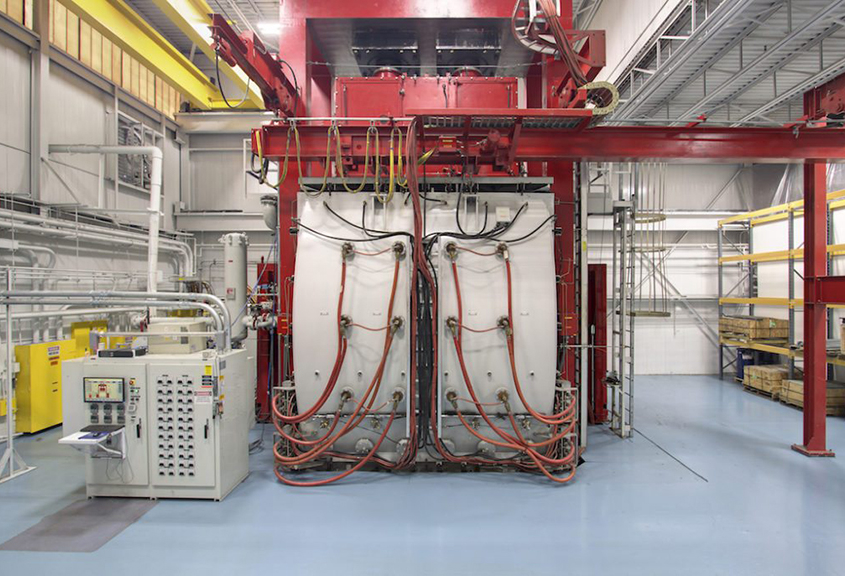
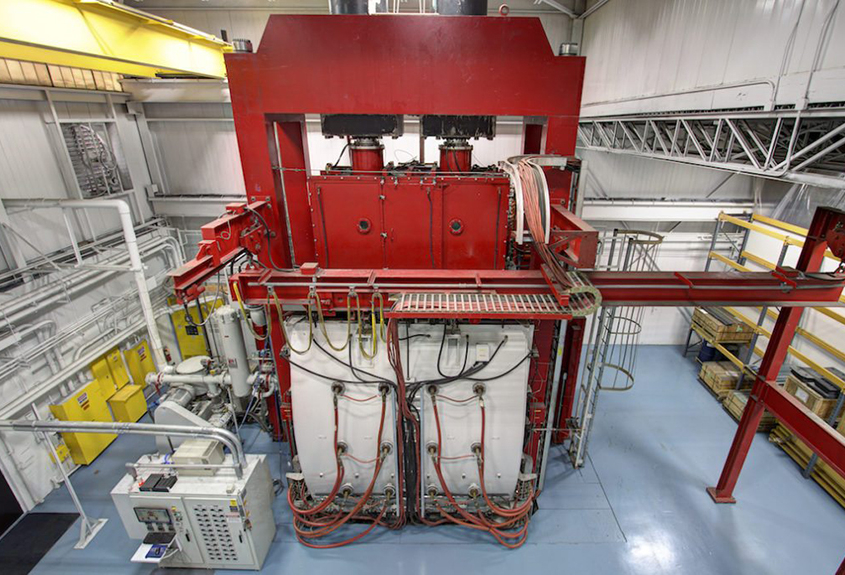
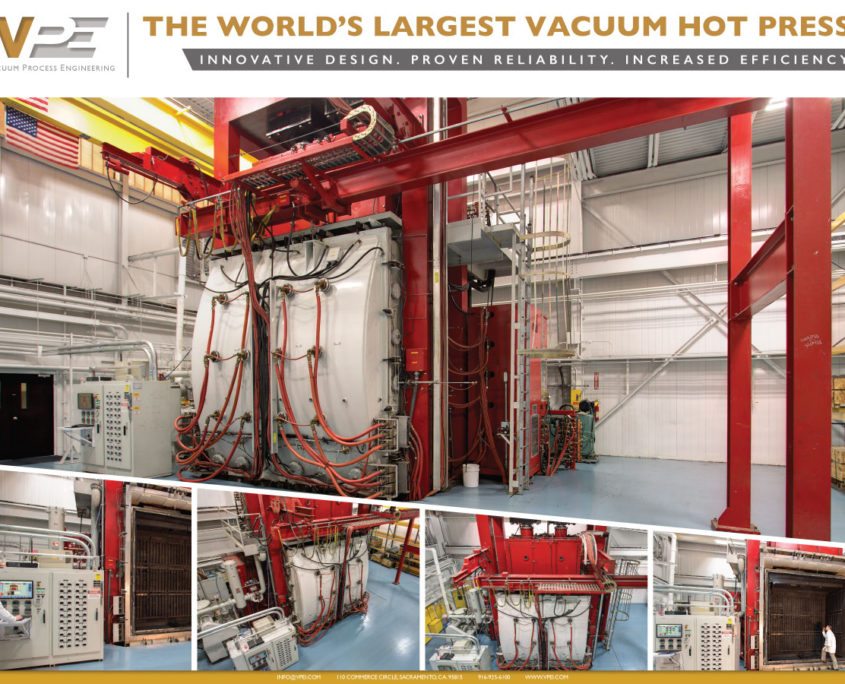
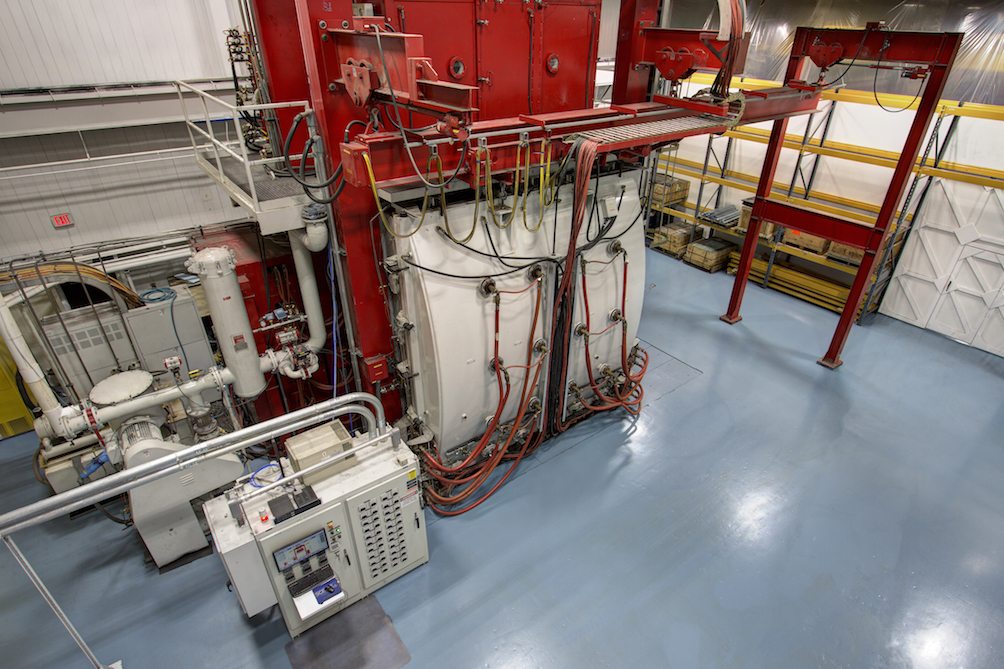
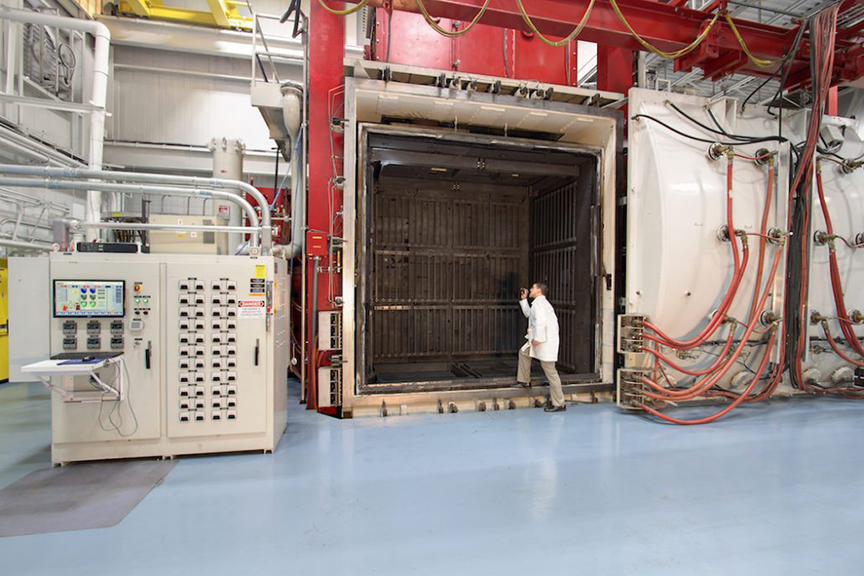
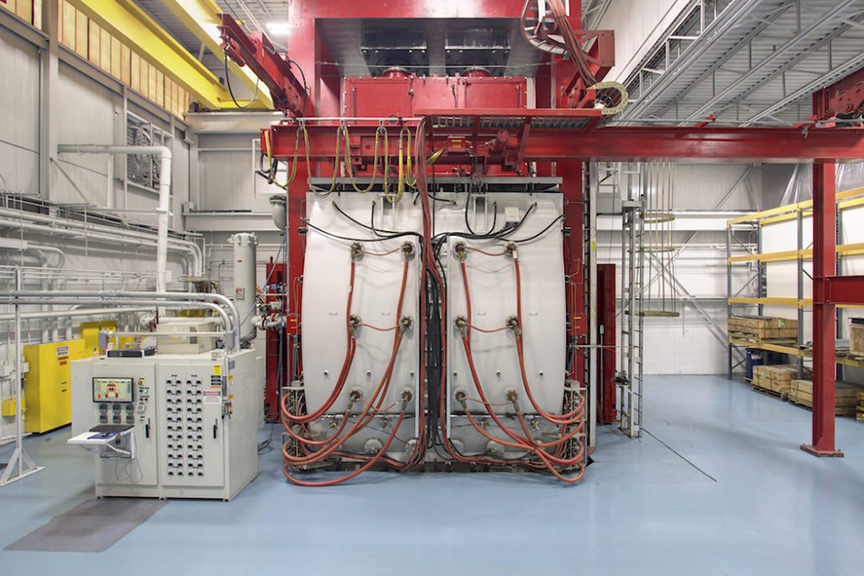
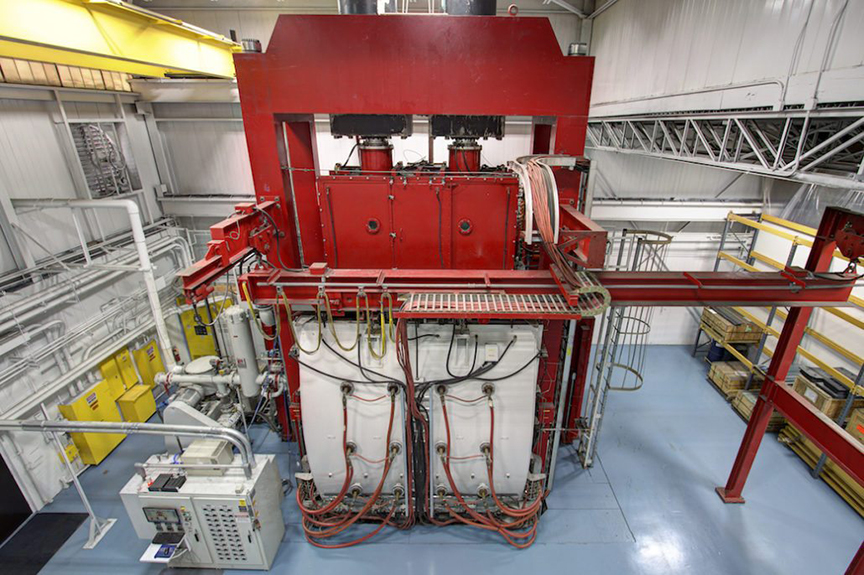
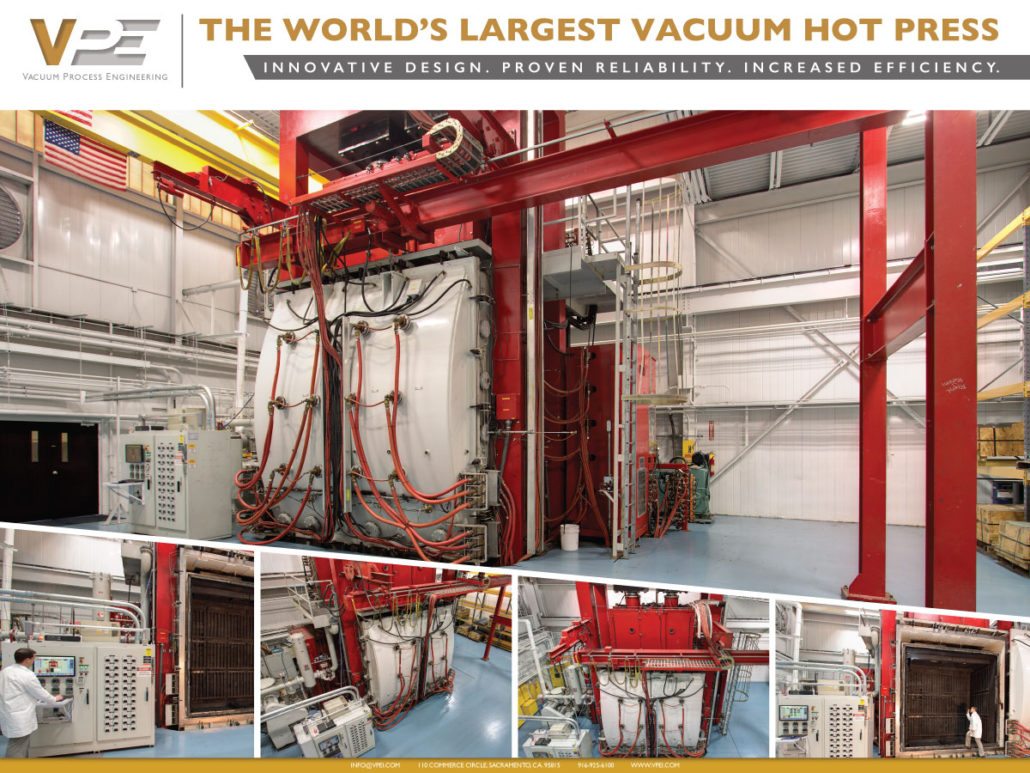
We also are home to the world’s largest vacuum hot press, capable of brazing, diffusion bonding, and hot pressing assembly weights in excess of 60,000 pounds, and product sizes up to to 120 in. x 120 in. x 60 in. Our largest vacuum hot press can reach temperatures up to 1900ºC in a vacuum and partial pressure atmosphere, and features twin rams
With our extensive selection of vacuum furnaces, we have the capability to produce everything from a single prototype component to a full production run processing multiple parts at once.
Contact VPE now to discuss how our vacuum brazing services can meet your production schedule.
Vacuum Brazing Applications and Materials
VPE has the capability to produce vacuum brazed components using a variety of materials for a diverse range of applications.
Materials
- Titanium
- Copper
- Stainless Steel
- Ceramics
- Aluminum
- Steel
- Tungsten carbide
- Tungsten
Applications
- Sensors
- Detectors
- Cathodes
- Cold plates
- Cold Walls
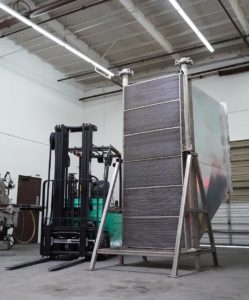
- Heat exchangers
- Radiators
- Biomedical assemblies
Interested in our vacuum furnace brazing services, but don’t see your choice of materials or application? Get in touch with our team to discuss your project needs and how we can help.
Start Your Vacuum Brazing Project Early
If you’re thinking about using vacuum brazing services, the best time to get a quote is early in the R&D and design stage.
All it takes is an initial 30-60 minute consultation to get started. Our team will listen to your goals, your design requirements, the materials you’ve selected, and your production needs.
We can discuss whether vacuum brazing is appropriate for your application, and evaluate other possible joining approaches.
You don’t need to wait until your design is finalized to contact VPE. A conversation with VPE early in your process can help inform the right braze alloy selection, identify material compatibility issues, fixturing needs, testing/validation requirements, furnace limitations, potential production bottlenecks, and shorten the overall lead time.
Request a Vacuum Brazing Services Quote
Whether you’re building precision components for biomedical applications, or need a lightweight, durable joint for an aerospace application, don’t wait until your design is finalized to explore vacuum brazing as a joining solution.
Discussing the application of your component with VPE early in the research and conceptual design phase can help identify the appropriate combinations of materials, alloys, and furnace sizes to meet your project’s goals, and prevent costly mistakes.
Contact VPE to speak with our team and get your personalized vacuum brazing service quote today.
Vacuum Furnace Brazing Services FAQs
What is vacuum furnace brazing?
Vacuum furnace brazing is an advanced joining technique that uses a braze alloy to join two materials together within a vacuum environment. The controlled vacuum environment reduces the risk of contamination, oxidation, and other undesirable reactions.
What materials can be vacuum brazed?
Many different materials such as aluminum, titanium, copper, stainless steel, and tungsten can be joined using vacuum brazing. VPE can evaluate challenging dissimilar material applications, including ceramic to metal assemblies.
Which vacuum brazing furnace is right for my application?
VPE has an extensive selection of vacuum brazing furnaces suitable for a wide variety of materials and applications. Our experienced engineers guide our clients to the right furnace choice based on part size, temperature, quantity, configuration, and production requirements.
How long does vacuum brazing take?
Once a quote is approved and VPE receives a purchase order, a typical job can take 4-6 weeks. The exact timeline can vary based on furnace availability, preliminary machining, testing, anodizing, and other processes that may be required.
When should I contact VPE about a vacuum brazing project?
It’s never too early to contact VPE about your project. Ideally, we like to speak with our clients while they’re still in the design or R&D stage. Early communication is crucial to ensuring the right materials and alloys are selected for the project. We can also discuss fixturing, furnace requirements, testing, and production needs before the design is finalized, which can prevent problems and reduce lead time.

VPE Headquarters
110 Commerce Circle
Sacramento, California 95815
E: Please call for email information, or use the Contact Us Page.
Recent News
How to Choose the Right Vacuum Brazing Filler Metal for Your ApplicationNovember 4, 2026 - 8:14 am
How Diffusion Bonding Expands the Design Options for Joining Dissimilar and Reactive MetalsSeptember 9, 2026 - 10:46 am
The Value of Diffusion Bonding in Aerospace and Defense ManufacturingSeptember 8, 2026 - 2:48 pm